December 2025

winter paint storage
Tips

Winter Paint Storage: How to Keep Your Paint in Good Shape

Winter can be harsh on leftover paint. Many homeowners store paint in the garage or shed without realizing those cold temperatures can ruin it. Why Cold Temperatures Are a Problem Latex paint is mostly water. When the temperature drops to freezing, the water inside begins to separate from the rest of the contents in the can. Once that happens, the paint may not mix back together the right way. Oil-based paint handles cold weather a little better, but it can still break down when temperatures fluctuate. Common Storage Mistake Garages, sheds, and outdoor closets often get below freezing at night. Even one freeze can cause: Paint that freezes more than once is rarely usable again. Better Places to Store Paint The goal is steady, warm temperatures. Good spots include: Aim for an indoor area with a comfortable, stable temperature. How to Tell if the Paint Is Still Good – Good paint will: If it stays chunky or smells “off,” it’s time for a replacement. Using damaged paint can lead to peeling or uneven results. A Simple Rule: If you’re not sure the paint survived winter, it’s usually safer—and cheaper in the long run— to replace it or call a professional for advice before starting a project.
will paint freeze
Tips

Will Paint Freeze — Here’s What Actually Happens

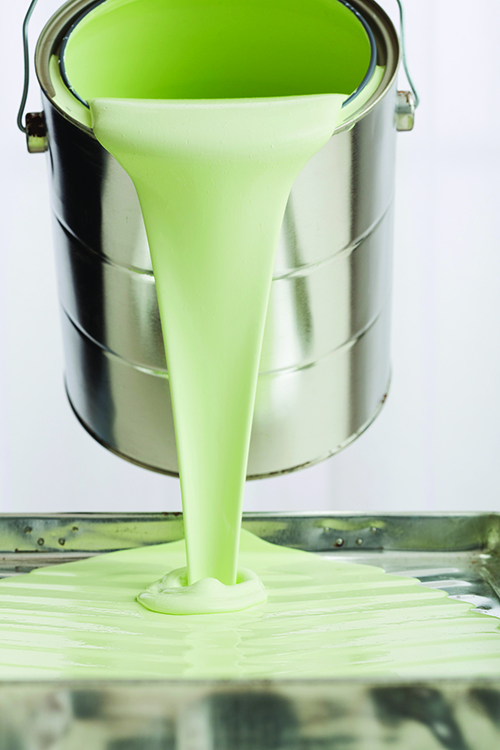
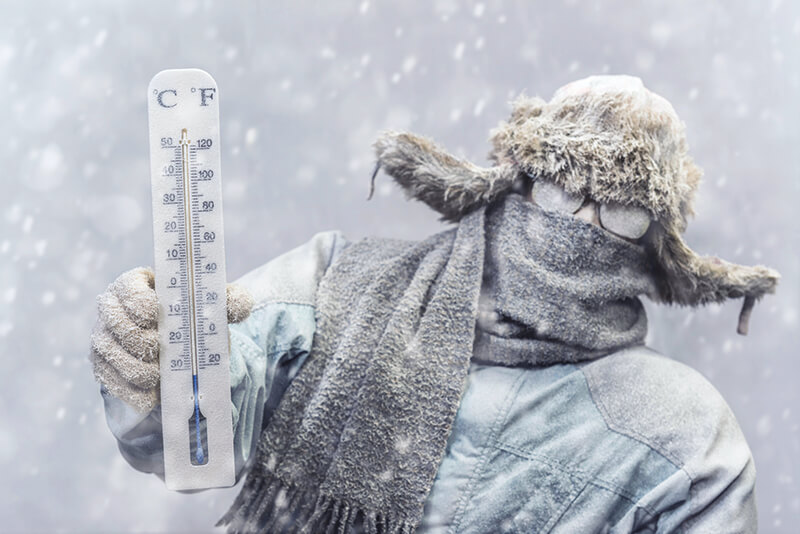
Paint absolutely can freeze, and winter makes it more likely than people think. Latex Paint Freezes Easily Because latex paint contains a high amount of water, it starts freezing around 32°F. Once that happens, the paint can separate and lose its smooth, even finish. Oil-Based Paint Is Not Freeze-Proof Oil-based paint freezes at a lower temperature, but it can still thicken and lose quality in the cold. If the texture changes permanently, the paint won’t perform as it should. Signs Paint Was Damaged by Freezing Paint with these signs usually won’t go on smoothly or last long. Can Frozen Paint Be Saved? Sometimes, but not always. Even if it looks okay after stirring, the paint may still fail on the wall. When in doubt, a professional can look it over and tell you whether it’s worth keeping or replacing.

when it is too cold for exterior painting
Painting Services

When Is It Too Cold for Exterior Painting

Temperature plays a big role in how well exterior paint sticks and dries. Once winter arrives, the window for safe painting narrows significantly. General Temperature Guidelines Most exterior paints need daytime temperatures above 35–50°F to dry and bond correctly. Even if the air warms up for a few hours, the surface you’re painting may still be too cold. What Cold Weather Does to Paint Why Surface Temperature Matters Shady areas, north-facing walls, and metal surfaces can stay cold long after the air warms up. If the surface stays too cold or damp, the paint will not stick the way it’s supposed to. When Professionals Paint in Winter A professional may take on certain exterior projects in winter, but only under the right conditions. If the weather doesn’t meet the paint’s requirements, a good contractor will recommend waiting until temperatures are steady and safe.

painting shutters in the winter
Uncategorized

Painting Shutters in Winter: What Homeowners Should Know

Shutters might look easy to paint, but winter conditions make the process more challenging than most people expect. Cold Weather Makes Shutters Less Flexible Vinyl and plastic shutters can become brittle in cold temperatures. This makes removing and reinstalling them riskier. Paint Doesn’t Stick Well in the Cold Paint needs a certain temperature range to bond correctly. When the weather is too cold, the finish may: – Dry unevenly – Stay tacky – Peel sooner Slower Drying Times Cold air slows drying. Dust and debris can stick to fresh paint, leaving marks in the finish. When Shutters Can Be Painted in Winter Painting shutters is sometimes possible on warm winter days, especially in the afternoon when the sun hits the surface. Indoor painting is an option in some cases, but conditions must still be right. Why Spring and Summer Are Better – Warmer temperatures create: – Faster dry times – Better adhesion – Longer-lasting results When to Call a Professional A professional can tell whether conditions are safe for shutter painting or if waiting will give better results. This helps avoid wasted time, peeling paint, and the cost of redoing the job later.

interior painting during winter
Interior Painting Services

Interior Painting in Winter: A Smart Seasonal Choice

While exterior work slows down in winter, indoor painting can be a great option. Indoor Temperatures Stay Consistent Your home’s heating system keeps the temperature stable, which helps paint dry evenly. That makes winter a perfect time to update interior spaces. Lower Humidity Helps Paint Cure Dry winter air indoors helps paint settle faster, reducing the time a room feels “wet” or tacky. Less Waiting for Appointments Winter is usually a quieter season for home projects, so interior painting often has: A Good Time for Small Upgrades Fresh paint can make rooms feel brighter during the darker winter months. It’s also a great time to refresh: – Accent walls – Trim and doors – Bedrooms – Bathrooms When to Call a Professional Professional painters work cleanly, protect your home’s surfaces, and use products that perform well in winter. If you want a smooth, long-lasting finish, winter is a great time to schedule interior work.

winter pressure washing
Uncategorized

Can I Pressure Wash During the Winter?

Pressure washing seems simple, but winter creates several risks that homeowners often don’t expect. Water Can Freeze Quickly When temperatures fall near freezing: – Water can turn driveways or steps into ice – Overspray can freeze on siding or decks – Walkways can become slipping hazards Cold Surfaces Can Crack Wood, vinyl, and masonry get more fragile in cold temperatures. Forcing high-pressure water into those surfaces can lead to cracks or other damage. When It Might Be Safe Pressure washing is only safe on mild winter days when: – Afternoon temperatures stay above 40°F – Surfaces will dry before temperatures drop – No frost is expected overnight Why Professionals Wait for Better Weather Pressure washing in winter often causes more harm than good. Professionals usually recommend gentler cleaning methods or waiting for a warmer season to avoid long-term damage.

Scroll to Top