Author name: admin

Orange paint and brush
Exterior Painting Services

The Importance of Dry and Clean Surfaces for a Perfect Paint Finish

When it comes to painting the exterior of your home, the preparation of the surfaces is just as crucial as the painting itself. A dry and clean surface is essential for achieving a high-quality, long-lasting finish. Proper surface preparation not only enhances the appearance of your paint job but also ensures its durability and performance over time. Here’s why maintaining dry and clean exterior surfaces is vital for a successful painting project. 1. Ensuring Proper Adhesion Paint Adhesion: For paint to adhere properly, the surface must be free from moisture and contaminants. Moist or dirty surfaces can prevent paint from bonding effectively, leading to issues such as peeling, bubbling, or flaking. A clean, dry surface creates an optimal foundation for paint to stick, ensuring a smooth and durable finish. Surface Preparation: Cleaning the surface removes any loose paint, dirt, grime, mold, or mildew. This preparation step is essential for achieving a uniform and even application. By eliminating these obstacles, you ensure that the new paint can adhere securely and provide a consistent appearance. 2. Preventing Paint Failure Moisture-Related Problems: Painting over damp or wet surfaces can result in several issues. Moisture trapped beneath the paint can cause it to lift, blister, or peel away from the surface. This can significantly reduce the lifespan of your paint job and result in unsightly and costly repairs. Contaminant Issues: Dirt, dust, and other contaminants can interfere with the paint’s ability to adhere properly. These impurities can create a barrier between the paint and the surface, leading to poor adhesion and a lackluster finish. 3. Enhancing Durability and Longevity Durable Finish: A clean and dry surface contributes to the overall durability of the paint. Proper preparation helps the paint withstand environmental elements such as rain, sun, and wind, reducing the risk of premature wear and tear. Long-Term Protection: By ensuring that the surface is dry and clean, you enhance the paint’s ability to protect the underlying material from damage. This protection is especially important for preventing issues such as rot, corrosion, and structural damage. 4. Achieving a Professional Appearance Smooth Application: A clean surface allows for a smoother application of paint. Any irregularities, such as dirt or debris, can create texture and unevenness in the final finish. A well-prepared surface ensures a polished and professional appearance. Smooth Application: A clean surface allows for a smoother application of paint. Any irregularities, such as dirt or debris, can create texture and unevenness in the final finish. A well-prepared surface ensures a polished and professional appearance. 5. Streamlining the Painting Process Efficient Application: When the surface is properly prepared, the painting process becomes more efficient. There’s less need for extensive touch-ups or corrections, saving you time and effort. Reduced Maintenance: A well-prepared surface generally requires less maintenance in the long run. Proper adhesion and durability mean fewer touch-ups and repairs, allowing you to enjoy your newly painted surfaces with less hassle. Steps for Preparing Dry and Clean Exterior Surfaces Proper preparation of exterior surfaces—ensuring they are both dry and clean—is crucial for achieving a successful and long-lasting paint job. By taking the time to prepare the surface adequately, you not only enhance the appearance and durability of your paint but also protect your home from potential damage. Investing in thorough preparation pays off in the form of a beautiful, enduring finish that adds value and curb appeal to your property.

A paintbrush and a paint on a wood surface
Painting Services

Why You Should Wait Before Painting New Deck Wood

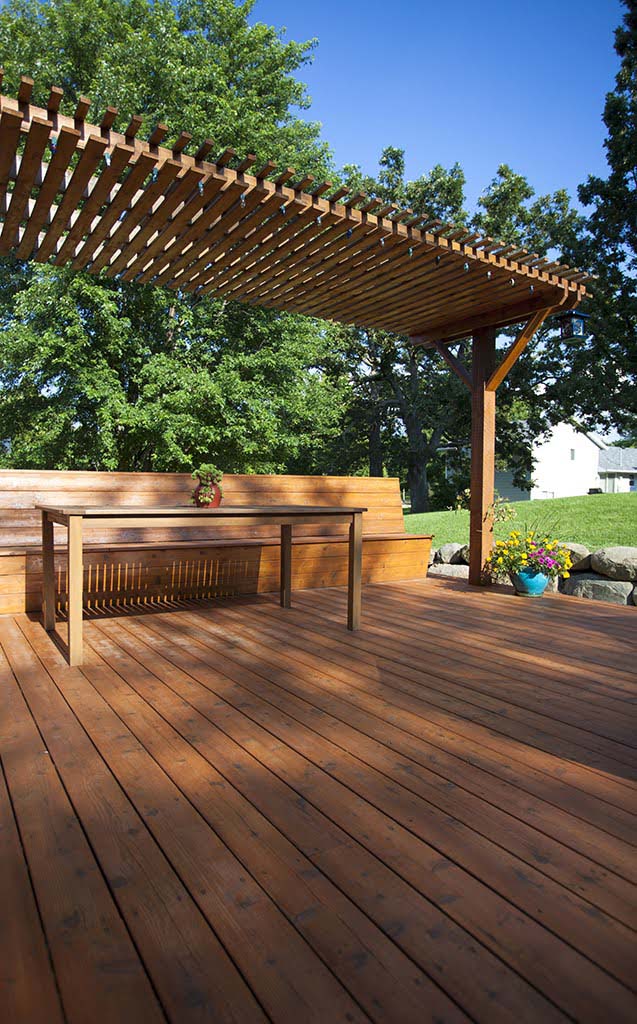
A fresh deck made from new wood can be a beautiful addition to your home, but painting it too soon can lead to disappointing results. While you might be eager to apply paint or stain to protect and beautify the wood, it’s important to wait. New wood, especially pressure-treated lumber commonly used for decks, must properly cure and settle before it can hold paint or stain effectively. Here’s why waiting is essential and how to determine when your new deck is ready for painting. Why You Need to Wait 1. Moisture Content in New Wood New Wood is Moist: Freshly cut or pressure-treated wood is typically saturated with moisture. This is especially true for pressure-treated lumber, treated with chemical preservatives to protect it from rot, insects, and decay. These chemicals are injected into the wood using high pressure, leaving it soaked with moisture when first installed. Why It Matters: If you paint new wood before it has had a chance to dry out, the moisture trapped inside the wood will prevent the paint from properly adhering to the surface. The moisture will try to escape as the wood dries, potentially causing the paint to blister, peel, or crack. This leads to premature paint failure, meaning you’ll have to repaint sooner than expected. 2. Wood Needs Time to Season Natural Drying Process: Beyond just the moisture from treatment, even untreated wood contains natural moisture that needs time to evaporate. As the wood dries, it will shrink slightly, expand, and contract with temperature changes. Why It Matters: Painting or staining the wood too early can lead to adhesion issues and uneven coverage. Allowing the wood to season or “cure” ensures the surface is stable, dry, and ready to hold paint or stain. 3. Prevents Surface Contamination Debris and Oils: New wood, particularly when it has just been cut or milled, may still have a layer of mill glaze—a shiny surface coating caused by the heat of the milling process. This glaze and any residual oils or debris from manufacturing or handling can prevent paint from properly bonding to the wood. Why It Matters: Over time, exposure to the elements naturally removes this mill glaze and cleanses the surface. Painting too soon, before this process happens, can lead to uneven finishes and poor paint adherence. How Long Should You Wait? 1. Type of Wood Matters Pressure-Treated Wood: The general recommendation for pressure-treated wood, which is commonly used for decking, is to wait at least 3 to 6 months before painting or staining. This allows time for the wood to dry out thoroughly and lose its excess moisture. Kiln-Dried or Pre-Treated Wood: If the wood was kiln-dried or pre-treated for painting, you may be able to paint sooner. Kiln-dried wood has been treated to remove moisture and may only need a few weeks to acclimate to outdoor conditions before painting. Untreated Wood: Untreated lumber, such as cedar or redwood, may only require a few months to dry out. However, always perform moisture tests before painting to ensure it’s fully dry. 2. Seasonal Factors Weather and Humidity: Local weather conditions can affect the drying process. The drying period may be extended if you live in a humid or rainy climate. Similarly, wood exposed to direct sunlight and warm temperatures will dry faster than wood installed in a shaded or cooler area. Rain Exposure: Let the deck dry completely after any rain before considering painting. Ideally, wait several days of dry weather to ensure no moisture is trapped in the wood. How to Test If Your Deck is Ready for Painting Before painting or staining your deck, testing the wood to ensure it’s dry enough to accept paint is essential. Here are a few methods to check: Water Test: Spritz a small amount of water onto the deck’s surface. The wood is still too wet for painting if the water beads up on the surface. If it soaks into the wood within a few seconds, it’s likely dry enough to paint. Moisture Meter: A moisture meter is a more precise way to check the wood’s readiness. The ideal moisture content for wood before painting should be between 12% and 15%. Moisture levels above this range indicate that the wood needs more time to dry. What Happens If You Paint Too Soon? If you’re tempted to paint your new deck before it’s ready, here are some of the issues you might encounter: Blistering and Peeling: Moisture trapped inside the wood will try to escape, pushing the paint off the surface. This results in blistering and peeling, which can ruin the appearance of your deck and require extensive repainting or stripping. Poor Adhesion: Paint applied to wood that hasn’t thoroughly dried will not adhere properly, leading to a patchy or uneven finish. You may notice areas where the paint doesn’t seem to stick, creating an inconsistent appearance. Cracking: As new wood expands and contracts with moisture changes, paint that hasn’t fully bonded can crack, leading to premature wear and the need for touch-ups or complete repainting. Conclusion: Patience Pays Off Painting or staining your new wood deck is an important step in protecting it from the elements and enhancing its appearance, but waiting until the wood is fully ready is crucial. Rushing the process can lead to peeling, cracking, and overall poor performance of the paint or stain. By giving the wood time to dry, shrink, and stabilize, you ensure that the paint or stain will adhere properly, providing long-lasting protection and beauty to your deck. Always test the wood’s moisture content and follow manufacturer recommendations to achieve the best results. In the end, patience will save you time, money, and frustration while also giving you a beautiful, durable deck finish.

Front view of a beautiful house
Painting Services

Why Pressure Washing is Essential for Maintaining Your Home: Key Benefits Explained

Maintaining the exterior of your home is just as important as caring for the interior. Over time, dirt, grime, mold, and other debris can accumulate on surfaces like your driveway, siding, deck, and sidewalks. Pressure washing is one of the most effective ways to keep these surfaces clean and in top condition. Not only does pressure washing enhance curb appeal, but it also helps protect your home from long-term damage. In this article, we’ll explore the key benefits of pressure washing and why it should be a regular part of your home maintenance routine. 1. Boosts Curb Appeal One of the most immediate and noticeable benefits of pressure washing is improving your home’s appearance. Over time, outdoor surfaces accumulate dirt, algae, mildew, and stains that dull their look. Pressure washing effectively removes these contaminants, restoring your home’s original shine. 2. Prevents Damage Dirt, mold, mildew, and algae accumulating on surfaces over time can cause long-term damage if left untreated. Moisture and contaminants trapped in porous surfaces like wood, concrete, and brick can lead to rot, decay, or structural weakening. 3. Saves Money in the Long Run Home maintenance can sometimes feel overwhelming, but preventive measures like pressure washing save money in the long term by avoiding costly repairs. 4. Improves Health and Safety The accumulation of contaminants like mold, mildew, algae, and pollen can pose health risks to your family, especially if you or someone in your household suffers from allergies or respiratory issues. 5. Prepares Surfaces for Renovation Suppose you plan to repaint your home’s exterior, restain your deck, or refinish other outdoor surfaces. Pressure washing is an essential first step in the preparation process. 6. Environmentally Friendly Cleaning Option Pressure washing is an eco-friendly cleaning solution because it primarily uses water and eliminates the need for harsh chemicals in many cases. Modern pressure washers are also designed to use less water than traditional garden hoses, making the process more efficient. 7. Saves Time and Effort Pressure washing is an incredibly efficient cleaning method, capable of removing years of dirt and grime in just a short amount of time. Trying to scrub surfaces like siding, driveways, or decks manually would take hours if not days. Pressure washing is a simple, effective, and affordable way to keep your home’s exterior clean, prevent long-term damage, and maintain curb appeal. Whether you’re preparing for a renovation, looking to increase your home’s value, or want to keep your property in pristine condition, regular pressure washing should be an essential part of your home maintenance routine. Investing in pressure washing will protect your home from unnecessary wear and tear, save money on future repairs, and create a healthier environment for your family.

Interior and Exterior Paint
Painting Services

Can Interior and Exterior Paint Be Used Interchangeably?

When it comes to painting, one common question is whether interior and exterior paints can be used interchangeably. While both types of paint share some basic qualities—like pigment and binder—they are formulated to serve very different purposes. Using them outside their intended environments can lead to performance issues, aesthetic problems, or even surface damage. Let’s dive into the key differences between interior and exterior paints and whether they can be used interchangeably. Key Differences Between Interior and Exterior Paints 1. Formulation and Durability 2. Flexibility and Adhesion 3. Resistance to Environmental Factors Can You Use Exterior Paint Indoors? While it’s technically possible to use exterior paint inside your home, it’s not advisable. Here’s why: Can You Use Interior Paint Outdoors? On the flip side, using interior paint outdoors is not recommended for several reasons: Special Cases Where You Might Consider It In general, interior and exterior paints are not designed to be interchangeable. Still, there are some specific cases where limited use may be appropriate: While interior and exterior paints may seem similar, they are formulated for specific environments and should not be used interchangeably. Exterior paint is meant to endure weather conditions and temperature changes, while interior paint is optimized for a clean, smooth finish inside the home. Using the wrong type of paint can lead to poor results, health concerns, and costly repairs down the road. While interior and exterior paints may seem similar, they are formulated for specific environments and should not be used interchangeably. Exterior paint is meant to endure weather conditions and temperature changes, while interior paint is optimized for a clean, smooth finish inside the home. Using the wrong type of paint can lead to poor results, health concerns, and costly repairs down the road.

Assorted paint cans in various colors.
Uncategorized

What Are Warm Colors?

Warm paint colors are typically associated with hues that evoke feelings of coziness, comfort, and relaxation. These colors often have undertones of red, yellow, or orange. Here are some examples of warm paint colors: Remember that the perception of warmth in a color can also be influenced by factors like lighting and surrounding decor, so it’s a good idea to test paint samples in your space to see how they look under different conditions before making a final decision.

Woman comparing paint samples in a home improvement store.
Uncategorized

Choosing the Right Color for Your Room: A Guide to Aesthetic and Mood

Selecting the perfect shade for your room isn’t just about aesthetics—it’s also about creating a desired mood, enhancing the space, and ensuring harmony with your furnishings. The color of a room can affect how you feel and how you use that space. Whether you’re moving into a new home or revamping your current one, here’s a guide to help you make the best choice. The Power of Color Psychology Color has a profound impact on our emotions and psyche. Here’s a quick dive into some popular colors and the feelings they evoke: Consider Room Purpose and Lighting The purpose of your room should influence your color choice. For instance, if you want a peaceful retreat, opt for muted, cooler tones. If it’s an area meant for brainstorming and creativity, consider vibrant shades. Lighting also plays a crucial role. Natural light reveals the truest color, while incandescent lighting casts warm tones. LED or fluorescent lighting can cast a sharp blue tone. Before making a final choice, it’s wise to observe your paint samples at different times of the day and under various lighting conditions. Popular Trends and Timelessness While it’s tempting to go with the latest color trends, remember that what’s “in” today might be “out” tomorrow. If you’re someone who doesn’t renovate often, you might want a shade that stands the test of time. Neutrals, soft blues, and classic pastels have timeless appeal. However, if you love following trends, some of the current favorites include earthy tones, muted pastels, and jewel shades. You can always incorporate trendy hues in smaller doses or in easily changeable decor. Test Before You Commit Before you dive headfirst into painting an entire room, buy a small sample of the paint color you’re considering. Apply a square patch on the wall and observe it for a few days. This will give you a clear picture of how the color looks at various times and under different lighting. Conclusion

Kitchen floor with white stove and refrigerator.
Uncategorized

Choosing the Perfect Tile for Your Floor: A Detailed Guide

Floor tiles are foundational—not just in the literal sense of forming the surface you walk upon, but also in shaping the feel and ambiance of a space. Whether you’re looking for tiles for a modern living room, a water-resistant bathroom, or a patio exposed to the elements, the choices might seem overwhelming. Here’s a step-by-step guide to help you select the ideal tile for your floor. 1. Understand the Different Types of Tiles Before diving into aesthetics, get acquainted with the primary types of floor tiles: 2. Consider Durability and Location For high-traffic areas like hallways and living rooms, opt for hard-wearing tiles like porcelain. For wet areas like bathrooms, choose non-porous tiles and consider textures that are slip-resistant. 3. Factor in Your Budget The price range for tiles can vary significantly based on material, design, and brand. Establish a budget early on to help streamline your choices. 4. Play with Size and Patterns 5. Color Choices 6. Grout Matters The grout color and width can make a dramatic difference. A contrasting grout emphasizes the tile pattern, while a matching grout creates a seamless look. Remember, though, lighter grout may stain easily, especially in high-traffic areas. 7. Maintenance and Care Some tiles require more care than others. Stone tiles might need periodic sealing, and textured tiles can be harder to clean than smooth ones. Choose a tile that fits your willingness and ability to maintain it. 8. Feel and Comfort If you live in colder climates, tiles can feel chilly underfoot. Consider radiant underfloor heating or opt for tiles that retain warmth. Additionally, some tiles can be harder on the feet, so factor in comfort if you’ll be standing or walking on them frequently. 9. Sample Before Finalizing Always get a sample of the tile and lay it out in the space. Look at it in different lighting conditions and see how it fits with the rest of your décor. Conclusion Selecting the right floor tile involves more than just picking a design you like. By considering the tile type, durability, budget, size, pattern, color, maintenance, and comfort, you can find the ideal tile that complements your space and serves your needs for years to come.

Cool Paint Colors
Painting Services

What are Cool Paint Colors?

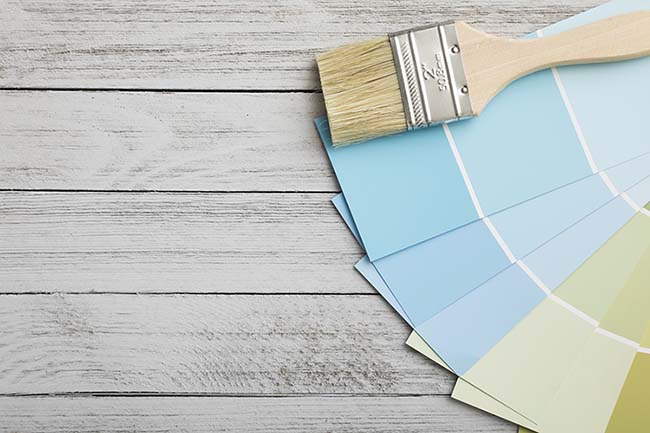
Cool paint colors are hues that create a sense of calm, serenity, and relaxation. They typically have undertones of blue, green, or purple, and they can make a room feel more spacious and tranquil. Here are some examples of cool paint colors: Cool paint colors are often used in spaces where relaxation and a sense of peace are desired, such as bedrooms, bathrooms, and living rooms. However, they can also be used in other areas of the home to create a refreshing and inviting atmosphere.

Deck maintenance ensuring longevity through painting and repair
Deck Services

Deck Maintenance: Ensuring Longevity Through Painting and Repair

A deck can be a wonderful extension of your home, providing an ideal space for relaxation, entertainment, and enjoying the great outdoors. However, given its constant exposure to elements, a deck requires regular maintenance to remain safe and aesthetically pleasing. Among the crucial aspects of deck maintenance are painting (or staining) and repair. This article delves into the importance and methods of these maintenance facets to ensure your deck remains in prime condition. 1. The Importance of Deck Painting and Staining Protection from Elements: Painting or staining your deck forms a protective barrier against UV rays, moisture, and general wear and tear. UV rays can cause the wood to gray and weaken its structure, while moisture can lead to rot. Aesthetic Appeal: A fresh coat of paint or stain can significantly improve your deck’s look, enhancing your outdoor space’s overall appearance. Increase Lifespan: Regularly painting and staining can increase the longevity of your deck, saving you from costly replacements in the long run. 2. Choosing Between Paint and Stain Paint: Provides a solid color, hides wood grain, can be more durable, and offers a wide range of color options. However, it might peel or chip over time and can be slippery when wet if not chosen correctly. Stain: Preserves and showcases wood grain. It’s typically easier to apply than paint and penetrates the wood for better protection. However, it might require more frequent reapplications. 3. Prepping Your Deck for Painting or Staining Cleaning: Start with a thorough cleaning. Remove debris, and consider using a deck cleaner to address mold, mildew, and stains. A power washer can be beneficial but use it with care to avoid damaging the wood. Sanding: Sand the deck to smooth any rough spots, splinters, or peeling paint. This also helps the new paint or stain adhere better. Repairs: Before painting or staining, address any repair needs, ensuring a smooth and safe surface. 4. Essential Deck Repairs Replacing Damaged Boards: Check for warped, split, or rotten boards. Replace them with the same type of wood, ensuring they’re secured with appropriate fasteners. Tightening Loose Nails and Screws: Over time, nails and screws can become loose due to wood’s natural expansion and contraction. Regularly inspect and secure any loose fasteners. Checking Railings: Ensure railings and banisters are secure. Loose railings can be a significant safety hazard. Addressing Structural Issues: If there are signs of sagging, support beam issues, or unstable footings, consult with a professional to address these problems. 5. Maintenance Tips Regular Inspection: At the start of each season, inspect your deck for signs of damage, wear, or loose components. Sealant: Whether you choose to paint or stain, always finish with a high-quality sealant to maximize protection. Avoiding Over-application: When painting or staining, remember that less is often more. Over-application can lead to peeling or a sticky surface. Choosing Quality Products: Invest in high-quality paints, stains, and sealants. They might be pricier upfront but will provide better protection and longevity. Deck maintenance, particularly painting and repair, is paramount to ensure your outdoor space is both beautiful and safe. Regular inspections, coupled with timely interventions, can keep your deck in top shape for years to come. Whether you’re enjoying a quiet morning coffee or hosting a summer barbecue, a well-maintained deck serves as the foundation for countless cherished moments.

Exploring the timeless appeal of neutral paint colors
Painting Services

Exploring the Timeless Appeal of Neutral Paint Colors

Neutral paint colors are versatile and timeless, making them a popular choice for interior design. They serve as a backdrop that can complement various decorating styles and color schemes. Neutral colors often have undertones of gray, beige, or white, and they create a calm and balanced atmosphere in a room. Here are some examples of neutral paint colors: 1. White: Pure white or off-white colors create a clean and fresh look, and they can make a space feel more open and airy. 2. Beige: Beige is a warm neutral color that ranges from light to dark shades, making it suitable for both traditional and modern interiors. 3. Gray: Gray is a versatile neutral with cool undertones. Light grays can create a soft and sophisticated atmosphere, while dark grays can add depth and drama to a room. 4. Taupe: Taupe is a warm, earthy neutral that falls between brown and gray. It works well in both contemporary and classic design schemes. 5. Greige: A blend of gray and beige, greige is a popular neutral choice for its ability to adapt to various styles and color palettes. 6. Cream: Creamy neutral colors have a touch of warmth and can create a cozy and inviting atmosphere. 7. Ivory: Ivory is a soft and elegant neutral that can add a sense of luxury to a space. 8. Mushroom: Mushroom is a muted gray-brown color that creates a warm and inviting ambiance, particularly in living rooms and bedrooms. 9. Sand: A light, sandy beige, sand-colored walls can make a room feel beachy and relaxed. 10. Off-White: Off-white shades like antique white or linen white have a hint of warmth and work well in both traditional and contemporary interiors. 11. Alabaster: Alabaster is a soft and creamy white with a warm undertone, creating a serene and inviting atmosphere. Oatmeal: This warm, light beige color resembles the natural hue of oatmeal and adds a sense of comfort to a room. 13. Pebble Gray: Pebble gray is a soft and soothing neutral with a touch of warmth that works well in bedrooms and bathrooms. Stone: Stone-colored walls, with a mix of gray and beige, can create a sense of balance and neutrality in various spaces. Light Brown: Light brown or tan colors add warmth and coziness to a room, especially when combined with other earthy tones. Neutral colors provide a blank canvas for adding pops of color through furniture, decor, and accessories. They also allow for easy changes in decor and design over time without requiring a complete repaint.

Scroll to Top