
- All Posts
- Deck Services
- Exterior Painting Services
- Home Exterior Painting Services
- Interior Painting Services
- Painting Services
- Tips
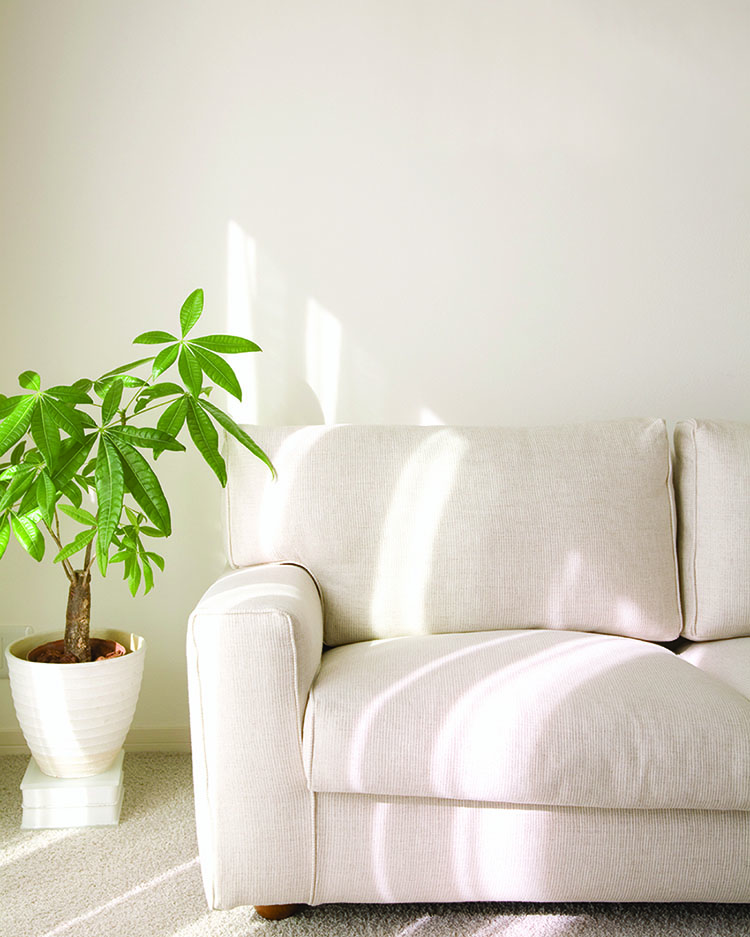
Homeowners make countless design choices when decorating their interiors. Some decisions are bold, while others take a more subtle approach. Choosing neutral colors may not feel like the most daring move, but it offers lasting advantages that make it a smart choice for many spaces. Versatility Neutral colors create a flexible backdrop, allowing homeowners to play with textures, patterns, and furnishings. Flexibility Unlike bold colors that often demand a complete redesign when tastes change, neutrals...
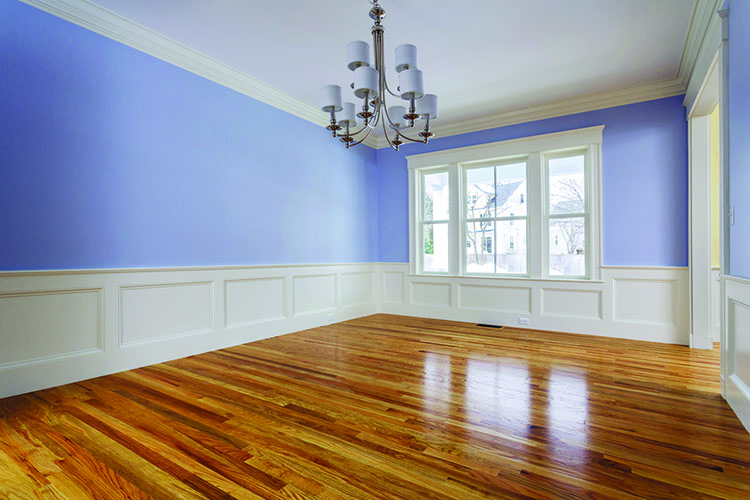
Homeowners often think that transforming their homes requires major renovations, but that isn’t always the case. Small, thoughtful updates can yield impressive results — and painting is one of the most effective ways to refresh a space without a large investment. Interior Walls A new coat of paint instantly changes the mood of a room. Whether brightening a space with light neutrals or adding depth with a darker accent wall, fresh paint can quickly transform...
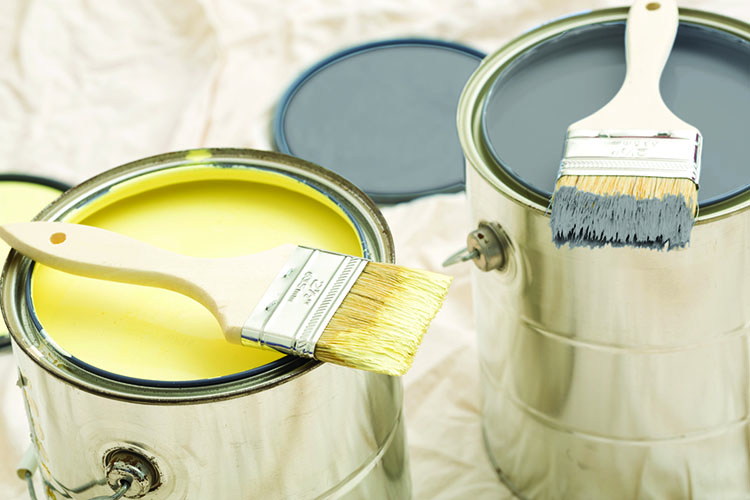
When it’s time to put a home on the market, first impressions matter. Price is always important, but buyers also pay attention to how well a home looks and feels. One of the simplest and most effective ways to boost a home’s appeal is with a fresh coat of paint. Why Paint Matters When Selling Painting is relatively inexpensive compared to other renovations, yet it makes a big impact. Freshly painted rooms feel clean, updated,...